Weber gas barbecues take care of the bulk of the cleaning for you, all you have to do is turn up the heat!
Top maintenance tips for a gas barbecue
How to clean a gas barbecue
A new gas barbecue is a thing of beauty: polished, solid and ready to bring people together. With a little regular care, it can keep serving up delicious food and memorable moments for years to come.
Weber gas barbecues make cleaning simple. Preheating on high before cooking burns away most food residue. If you grill regularly, wipe down the exterior monthly and give your barbecue a thorough clean every three months. If you grill less often, use these timings as a guide and clean when you notice grease or food residue building up on the grates, Flavorizer Bars or inside the cookbox.
Tools you’ll need for the job
The right tools are just as important for cleaning as they are for cooking. Before you begin, explore Weber’s range of barbecue cleaning and care products and make sure you have these essentials to hand:
- Gloves: Keep your hands protected from grease and cleaning products while you work.
- Grill brushes: Remove food residue from cooking grates and help clear debris from hard-to-reach areas.
- Scraping tool: Loosens stubborn grease and residue inside the cookbox while reducing the risk of damage.
- Sponge: The soft side handles general cleaning, while the non-scratch scourer tackles tougher marks.
- Cleaning sprays: Use a cleaner suited to the surface you’re working on. Grate cleaners, enamel cleaners, and stainless steel cleaners are formulated for different materials, so check the label before you begin.
- Microfibre cloth: Gently wipes and polishes stainless-steel and enamel surfaces without leaving scratches.
How to clean your gas barbecue, step by step
The following step-by-step guide applies to different models and will help you clean your gas barbecue thoroughly. Before starting, wait until the barbecue has cooled and always disconnect the gas supply - check your owner’s manual to learn how to do so and for further safety guidance for your model.
1. Start from the outside
Start at the top and work your way down. Using a microfibre cloth and warm, soapy water, clean the lid, side tables, shelves, baskets, accessories and stand. Finish by wiping away any excess water with a clean, dry cloth.
For stubborn marks, use a cleaner designed for the surface. Always wipe stainless steel in the direction of the grain to help prevent scratches.
2. Brush the grates clean
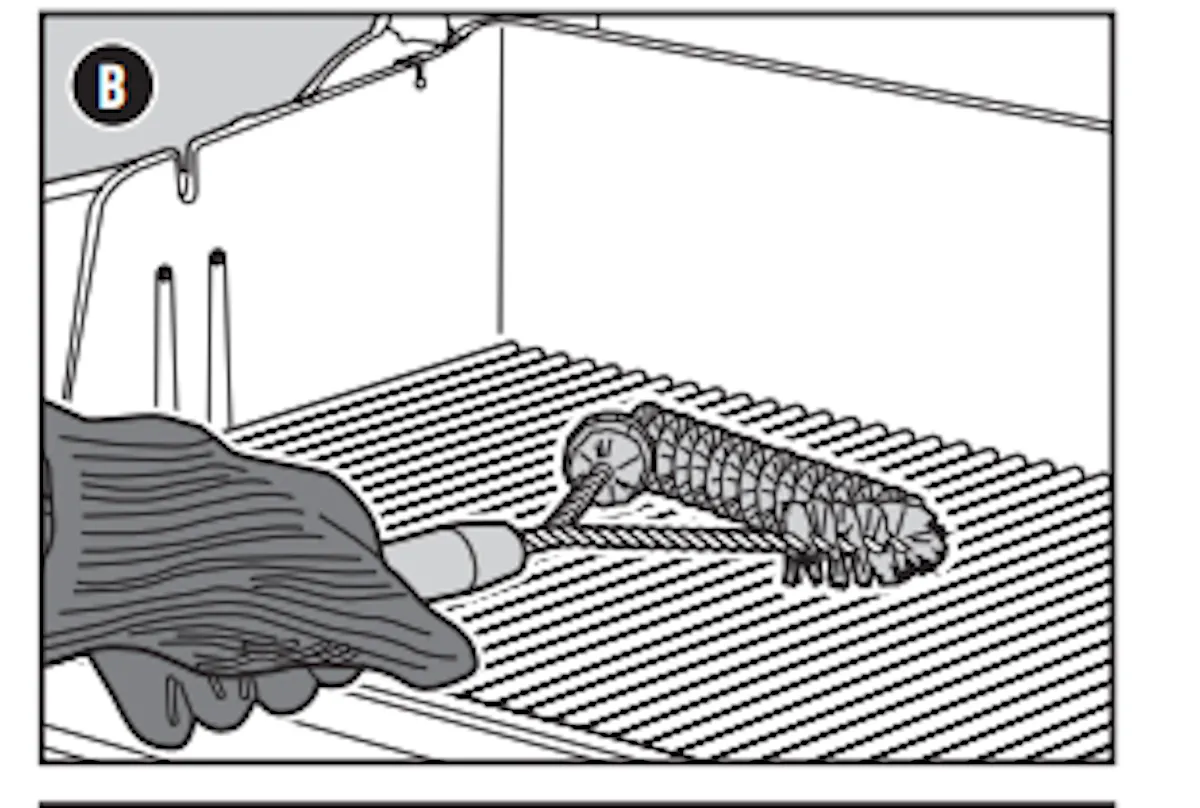
Brush along the grates several times to loosen and remove food residue, working carefully between each bar. Lift the grates and repeat on the other side, brushing from both directions for a thorough clean.
Next, spray your grate cleaner and let it settle. After 30 seconds, scrub the grates with the abrasive side of your sponge, rinse with water and set aside for drying.
Bear in mind that once a barbecue has been used, the grates will never look completely brand new again. Some darkening and staining is perfectly normal. It’s the mark of a well-used barbecue – one that has served up plenty of memorable meals.
3.Clean the Flavorizer Bars
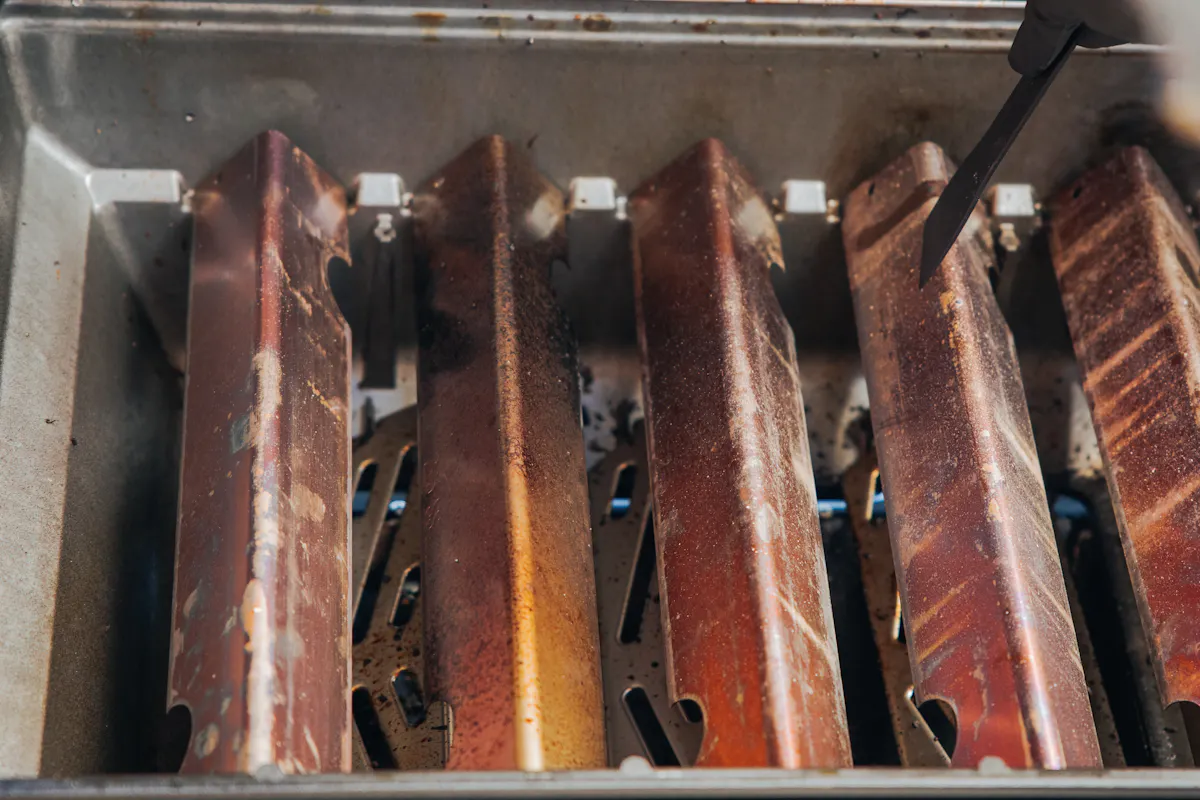
The Flavorizer Bars are the long, triangular pieces of metal that sit just underneath the grates. They direct grease away from the burners, help reduce flare-ups and create that distinctive smoky barbecue taste.
Keeping the Flavorizer Bars clear of grease and debris helps protect them from corrosion and maintain consistent performance. They can be replaced when needed, but regular cleaning will help you get more from them for longer.
To clean the Flavorizer Bars, scrape away any grease and debris with a plastic scraper. If needed, brush away any remaining residue with a stainless-steel bristle barbecue brush. Then remove the Flavorizer Bars and set them aside while you continue cleaning the barbecue.
4. Clear the burner tubes
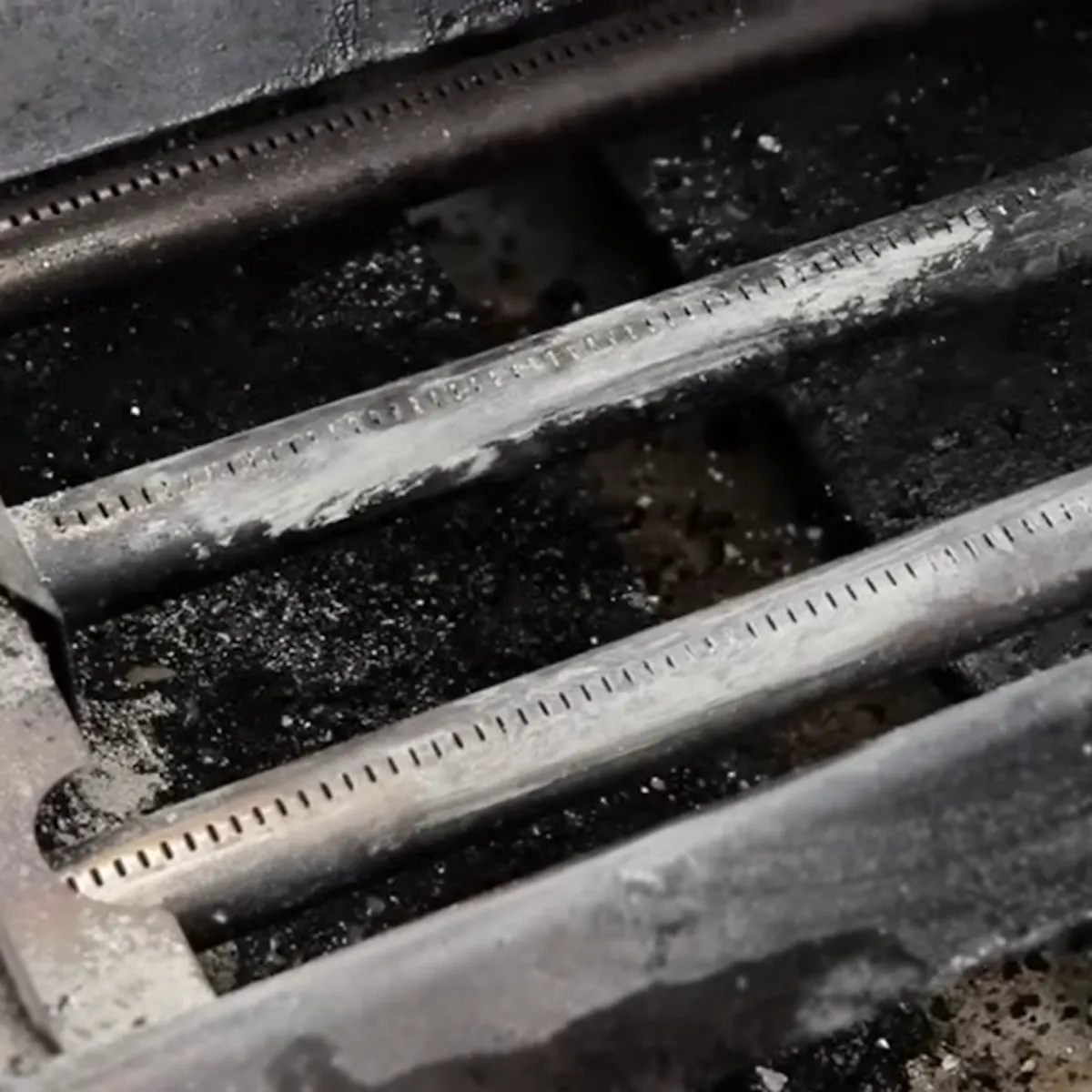
Once you’ve removed the Flavorizer Bars, you’ll be able to clean the burner tubes. These are the narrow tubes running across the cookbox with holes (burner ports) dotted along them. Grease, dirt and moisture on the tubes can cause scaling, which can block the burner ports and affect the performance of your barbecue.
Using a clean, dry grill brush, work across each burner tube from side to side. Never brush along the length of the tubes, as this could push debris into the burner ports. Clean one tube at a time.
5. Wipe down the cookbox and drip tray
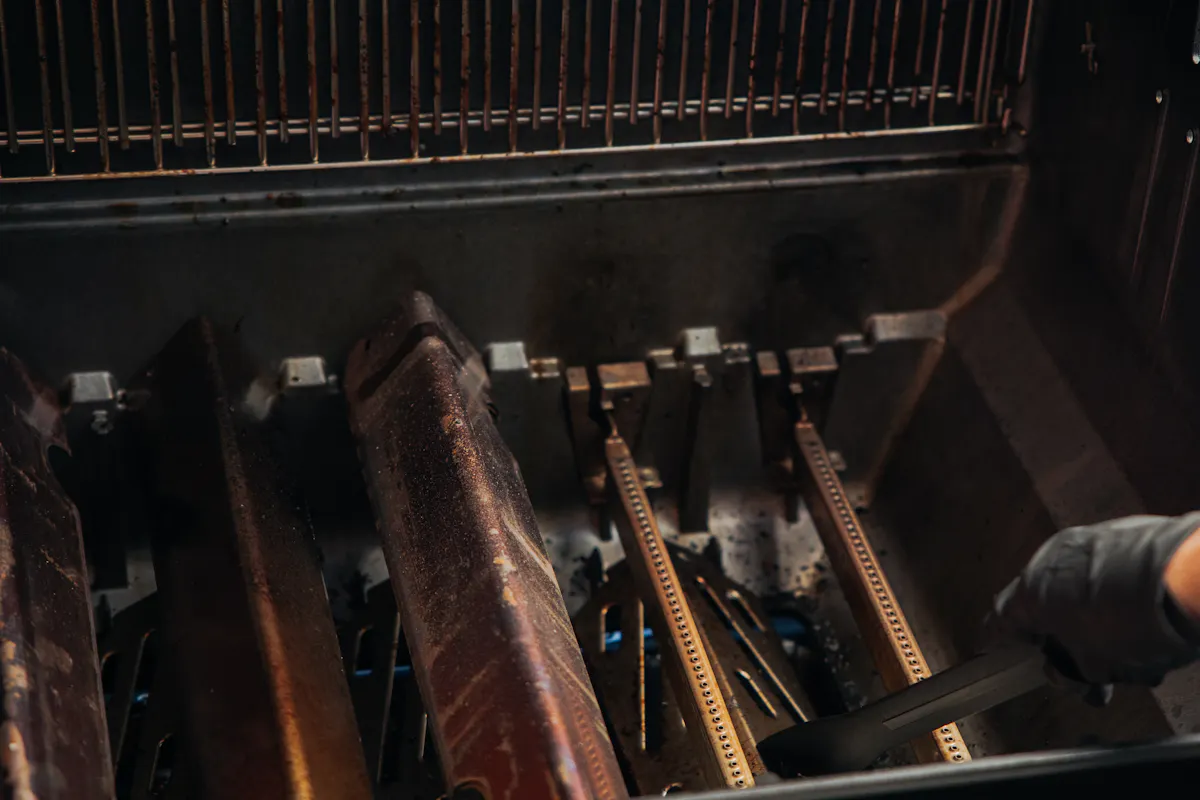
Leave the burner tubes in place and clean carefully between them. Use a plastic scraper to remove grease and debris from the cookbox, then apply grate cleaner, following the instructions on the label, and wipe the surfaces with a sponge.
Next, remove the drip tray and bottom tray. Wipe away grease with a sponge, using a brush for any stubborn debris. Clean the trays by hand – never put them in the dishwasher.
6. Reassemble ready to grill
Once every part is clean and completely dry, reassemble the barbecue. Refit the drip tray, followed by the Flavorizer Bars and cooking grates.
Before you cook on your barbecue again, preheat it on high for 10-15 minutes to burn off any remaining residue.

A little regular care helps keep your gas barbecue ready for whatever comes next, whether that’s a quick midweek meal or a table full of family and friends.
Keep it looking its best between cooks
Weber gas barbecues are designed to stay outdoors throughout the year. If you want to help keep the exterior looking its best between cooks, use a cover designed for your barbecue model. A cover can help protect it from rain, dirt and debris, reducing the amount of exterior cleaning required.
Stop food sticking with a non-stick spray
Apply a light, even coating of non-stick grill spray before adding the food. This can reduce sticking and make the grates easier to brush clean afterwards. Always follow the instructions on the product.
Keep your barbecue safe on the move
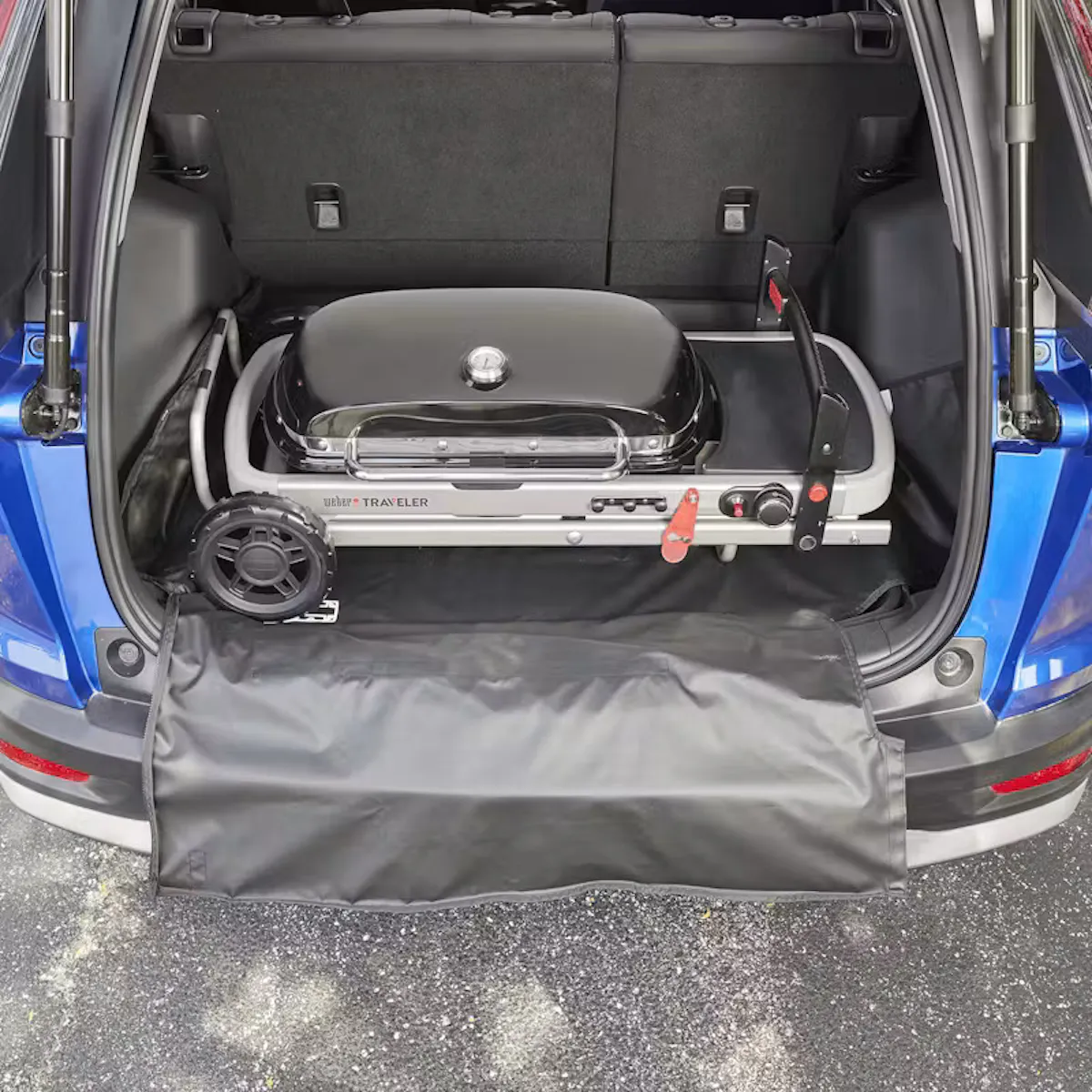
Portable gas barbecues like the Weber Traveler are easy to store thanks to their compact size and foldable stands – this makes it much easier when you need to find a sheltered space for them when not in use.
Protect your portable barbecue whenever you travel. In the car, lay it flat and secure it so it cannot move. Avoid placing heavy objects on top.
A cargo protector helps prevent scratches and keeps the barbecue secure. It also contains any remaining grease or debris, helping to keep your car clean.
Refresh parts for lasting performance
Weber barbecues are made to be used and enjoyed, season after season. Replacing worn parts when needed can help keep yours working reliably well into the future.
As part of routine maintenance, check your gas hose and regulator regularly and replace them in line with local requirements and the guidance in your owner’s manual, as replacement intervals can vary by country.
Cleaning a gas barbecue: your questions answered
Can I use a degreaser to clean the inside of my gas barbecue?
We recommend using Weber cleaning products specifically designed for your barbecue. They can make cleaning easier while helping to protect its surfaces.
Choose the appropriate Weber cleaner for each surface type – for example, stainless steel cleaner for stainless steel surfaces and grate cleaner to loosen stubborn food residue. A gas barbecue cleaning kit also brings together Weber tools and cleaners designed for compatible surfaces.
CAUTION: Do not use abrasive stainless steel polishes or paints, cleaners containing acid, mineral spirits or xylene, oven cleaner, abrasive cleansers or abrasive cleaning pads. After cleaning or moving your barbecue, perform a gas leak check before use, following the instructions in your owner’s manual.
Do natural cleaning methods – such as baking soda and vinegar – work on a gas grill?
Natural cleaning methods, such as baking soda and vinegar, can help with some light cleaning tasks, but they may not be as effective at removing tougher grease and burnt-on residue.
For the best results, use cleaning products specifically designed for Weber barbecues. These are designed to clean compatible barbecue surfaces while reducing the risk of damage.
You should also avoid getting any substances, such as baking soda, into the burner ports, as this can affect gas flow and significantly impact the performance of your barbecue.
I haven’t used my barbecue for a long time – are there any other steps I need to take to clean it before use?
Following the steps above will help prepare your gas barbecue for its next use. If your barbecue has been unused for an extended period, you should check the gas hose for any leaks and ensure the burner tubes are clear of any blockages or obstructions before lighting it.
Are removable parts dishwasher safe?
Cooking grates, Flavorizer Bars and removable trays are not dishwasher safe and should be hand washed with soap and warm water. Accessories, such as spatulas and vegetable baskets, can be washed in the dishwasher, but it’s best to rinse them beforehand to remove any food debris.
Can I use a hose or pressure washer to clean a gas barbecue (even just the exterior)?
No, we do not recommend using a hose or pressure washer to clean your gas barbecue. Excess water can enter the grill and potentially damage electronic components, such as the ignition system, which may affect its performance and lifespan.
The recommended way to clean your gas barbecue is to follow the steps outlined above. Taking a little care with each component will help keep your barbecue performing at its best and ready for many more meals together.
Can I soak grates or other parts overnight?
No. Soaking barbecue parts overnight can damage or corrode some materials, particularly when cleaning products are added. For a thorough clean, use a product suited to the surface and remove grease and food residue with an appropriate brush, sponge or cloth. Always follow the care instructions for your barbecue model.